AlkaBurn After Six Months: What Held and What Faded
One full 180-day kit, one deliberate two-week break, and the clearest picture available of what long-term use actually looks like.
Callum B.
What happens with long-term AlkaBurn use?
Tolerance to caffeine's thermogenic and stimulant effects develops within weeks, so the energy effect diminishes substantially after the first month. Appetite effects and the reduction in perceived exertion during exercise appear more durable. Weight loss typically slows over time as body mass decreases and energy requirements fall, which is normal rather than a product failure.
The six-month arc
| Period | Weight (rolling avg) | Waist | Notes |
|---|---|---|---|
| Baseline | 102.6 kg | 112 cm | — |
| Month 1 | 99.8 | 109 | Strong energy effect |
| Month 2 | 96.9 | 106 | Energy fading, appetite holding |
| Month 3 | 94.7 | 103 | Rate slowing |
| Month 4 | 93.4 | 102 | Two-week break taken |
| Month 5 | 92.5 | 101 | Restarted; some sensitivity back |
| Month 6 | 91.2 | 100 | Steady, slow |
11.4 kg and 12 cm across six months. Most of it happened in the first three.
Why the rate slowed, and why that is normal
This is the part people misread as the product failing.
A smaller body requires less energy to maintain. At 102 kg my maintenance requirement was meaningfully higher than at 94 kg. The same eating pattern that produced a deficit at the start produced a smaller deficit later, and eventually approached maintenance.
There is also adaptive thermogenesis — a reduction in energy expenditure beyond what body mass change alone predicts, which occurs during sustained weight loss.
So a slowing rate after month three is physiology, not evidence the capsule stopped working. Continuing to lose at the initial rate would have required progressively reducing intake, which I chose not to do.
The tolerance question
The energy effect was substantially gone by week six and never came back at the same intensity.
The appetite effect held far better. Six months in I was still eating less in the evenings than I had been at baseline.
The training effect also held reasonably. Sessions still felt more manageable than they had pre-supplement, which matches research showing that tolerance to caffeine's effect on perceived exertion develops more slowly than tolerance to its stimulant effects.
Anyone expecting week one's energy to persist for six months will be disappointed. That expectation is wrong rather than the product being defective.
Six months at the lowest cost per day
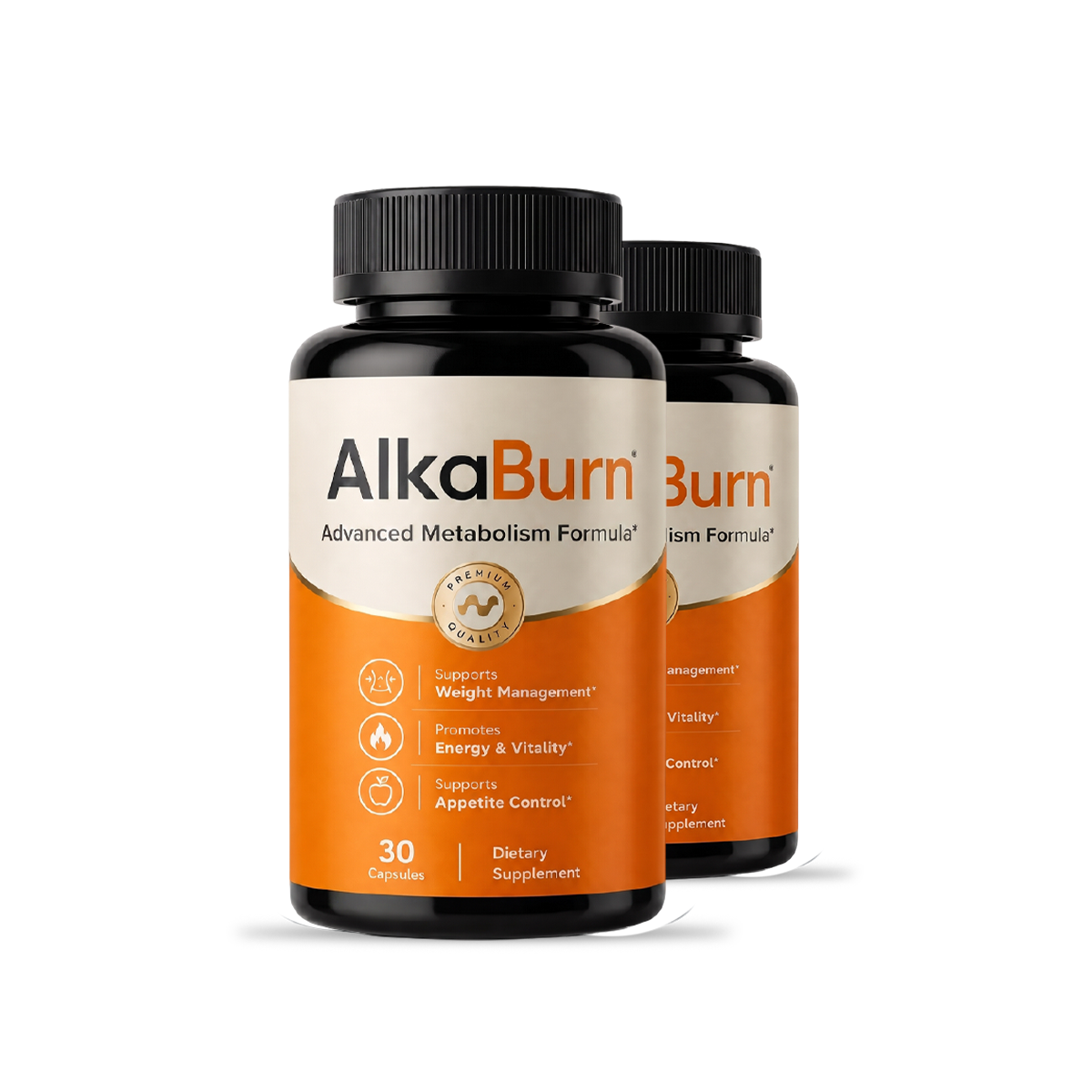
The 6-bottle kit is $294 total, $49 per bottle, free US shipping, all six bonuses.
The deliberate break
I took two weeks off in month four specifically to see whether caffeine sensitivity would return.
Days 1–3 off: headache, noticeable fatigue. Classic caffeine withdrawal, and it resolved.
Days 4–14: fine. Appetite was slightly worse — evening grazing crept back a little.
On restarting: the energy effect was noticeably stronger than it had been before the break, though not as strong as day one had been.
My weight was flat across the break, which tells you the habits by then were doing the work rather than the capsule.
If you do this, taper rather than stopping abruptly to reduce the withdrawal headache.
What I credit for the result
Honestly ordered:
- The eating pattern change. I cut roughly 500 calories a day, mostly by removing evening snacking and liquid calories.
- Walking. Went from about 4,000 steps a day to around 9,000.
- Resistance training, twice weekly from month two, which I think preserved muscle during the loss.
- The capsule, which made the first two easier at the margin, particularly in months one to three when the plan was newest and hardest.
That ordering is not what the marketing implies and it is what actually happened.
What six months cost
One six-bottle kit at $294 covering 180 days — $1.63 a day.
For 11.4 kg, that is roughly $26 per kilogram. Whether that represents value is a personal judgement. What I would say is that the walking and the eating changes cost nothing and did more, and the capsule's contribution was real but supporting.
Pros and cons
What worked
- 11.4 kg and 12 cm over six months at a sustainable rate
- Appetite effect held for the full six months without fading
- Training benefit persisted better than the energy effect
- A deliberate break restored some caffeine sensitivity
What did not
- Energy effect essentially gone by week six
- Three days of withdrawal headache when I took a break
- Weight loss slowed markedly after month three
- The free interventions contributed more than the capsule did
The verdict
Eleven and a half kilograms over six months, with most of it in the first three — which is exactly the pattern physiology predicts as maintenance requirements fall. The energy effect was gone by week six and never returned; the appetite and training effects held throughout. A deliberate two-week break restored some caffeine sensitivity at the cost of three days of withdrawal headache. The eating changes and the walking did more than the capsule, and the capsule made both easier in the hardest early months.
Sources & further reading
- NIDDK — Adaptive thermogenesis and weight loss plateaus.
- NIH Office of Dietary Supplements — Caffeine tolerance.
- CDC — Maintaining weight loss.