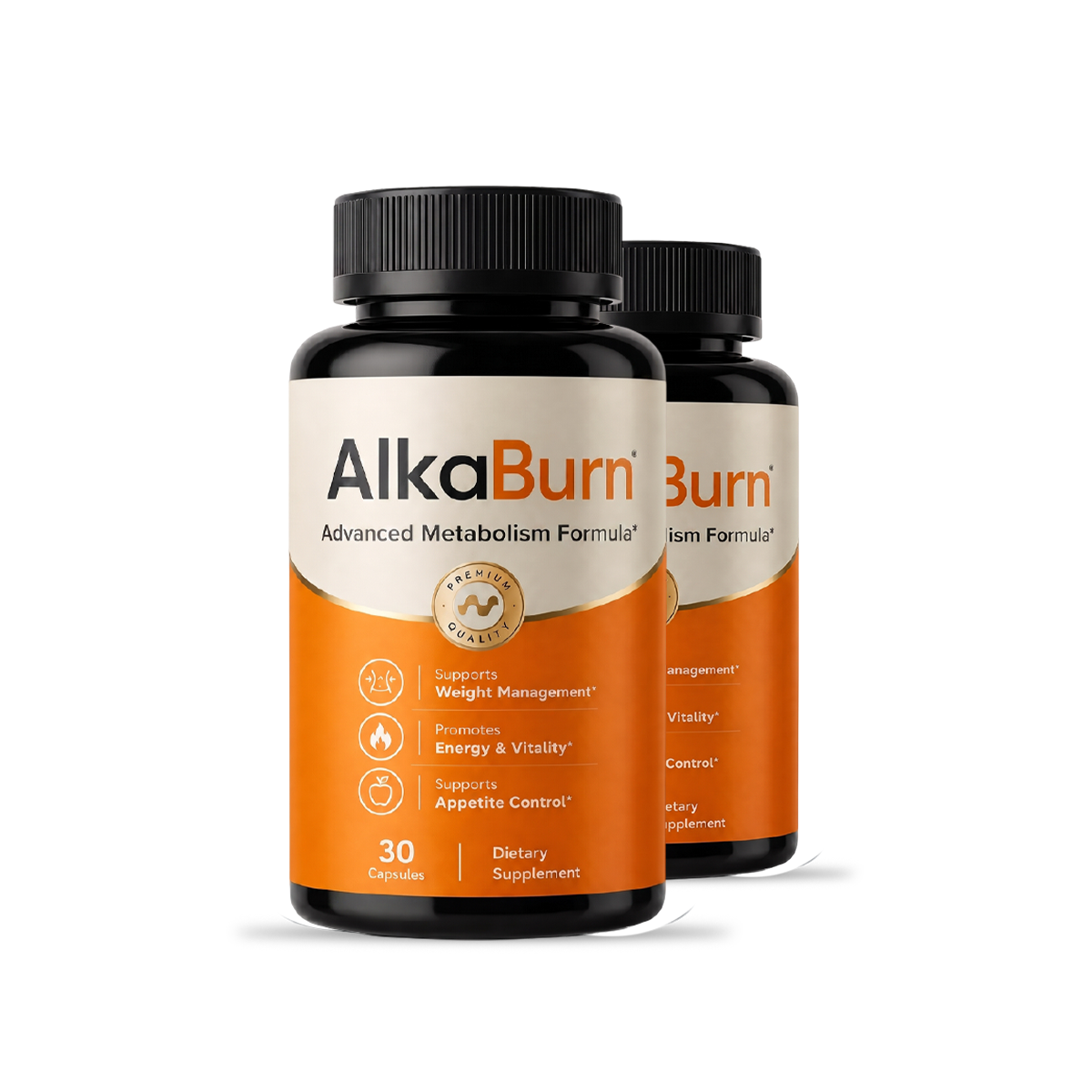
AlkaBurn 30-Day Review: Why One Month Is Not an Assessment
Thirty days is the refund minimum. It is also too short to tell you anything reliable, and here is the data showing why.
Ryan K.
What happens in the first 30 days of AlkaBurn?
In the first 30 days most users report an immediate energy effect from caffeine that begins fading around week three as tolerance develops, and appetite changes appearing around weeks two to four. Weight change over 30 days is typically small enough to sit within normal daily fluctuation, so waist measurement and photographs are more informative than the scale at this stage.
The numbers
Baseline (2 weeks of daily weighing): rolling average 88.4 kg. Waist 98 cm.
Day 30: rolling average 86.6 kg. Waist 96 cm.
So: 1.8 kg and 2 cm in a month. That is roughly 0.45 kg a week, which is a normal sustainable rate and is completely unremarkable as a headline.
The scale figure is the less convincing of the two. My daily readings ranged from 85.9 to 87.8 across the final week, which means a 1.8 kg change is only just clear of my own noise. The waist measurement is the number I would actually rely on.
Week one was all caffeine
Immediate energy and drive. Easier gym sessions. That is what caffeine does and it arrived on day one.
It is also, I think, where most of the enthusiastic three-week reviews in this category come from. Feeling energised is genuinely pleasant and it is not fat loss.
I took it at 7am throughout. A colleague who tried the same product took his at lunchtime and slept badly for a week before working out why.
Week two: the appetite thing
Around day twelve I noticed I had stopped finishing portions automatically. Not dramatic suppression — more that the pull toward a second helping was quieter.
This is the effect that actually changes intake, and for me it was worth maybe 200 to 250 calories a day. Over a month that is roughly a kilo, which is most of what I lost.
So the honest mechanism for my result is not thermogenesis. It is that I ate slightly less without trying hard, and the arithmetic followed.
Give it a window that means something
The 6-bottle kit covers 180 days at $49 per bottle with free US shipping.
Week four: tolerance
The energy effect was clearly diminished by the end of the month. Noticeable but nothing like week one.
I had assumed this meant it was wearing off in some general sense. It is specifically caffeine tolerance, which develops within days to weeks and is well documented. The appetite effect held better than the energy effect did.
Nobody in the category mentions this, and it is the single most common reason people conclude a thermogenic has stopped working.
Why 30 days cannot answer the question
Three reasons, and they compound.
Fluctuation swamps the signal. Body weight moves one to two kilograms daily from water, glycogen, sodium and digestive contents. A genuine loss of 0.45 kg a week is invisible inside that on any given morning.
Tolerance changes the picture mid-window. What you experience in week one is not what you experience in week four, so a month gives you two different products.
The refund minimum is thirty days. Which means if you buy two bottles, judge at day thirty, and request a refund, you have done exactly the minimum and learned very little.
Ninety days is the shortest period over which I would form a real opinion.
What I would tell someone starting
- Buy three bottles minimum, not two. Two gives you no margin past the refund floor.
- Take it at 7am. Not negotiable if you value your sleep, and poor sleep undermines the whole exercise.
- Cut your other caffeine rather than adding on top.
- Measure your waist weekly and use a seven-day rolling weight average. Ignore individual mornings.
- Photograph monthly under the same conditions.
- Expect the energy to fade around week three to four. That is tolerance, not failure.
Pros and cons
What worked
- Appetite change appeared by day twelve and reduced my intake
- Waist down 2 cm, which is a more reliable signal than the scale
- No side effects taking it at 7am
- Training sessions were noticeably easier in the first fortnight
What did not
- Energy effect clearly faded by week four from tolerance
- 1.8 kg is barely outside my own daily fluctuation range
- Had to reduce my coffee to avoid feeling wired
- Thirty days tells you very little either way
The verdict
At thirty days I had lost 1.8 kg and 2 cm, which is a normal sustainable rate and barely distinguishable from noise on the scale alone. The energy effect was strongest in week one and clearly diminished by week four. The appetite change around day twelve was the piece that actually altered my intake. Thirty days is the refund minimum, not a fair assessment, and anyone judging a body composition intervention over a month is judging measurement noise.
Sources & further reading
- CDC — Healthy weight: rates of loss.
- NIH Office of Dietary Supplements — Caffeine tolerance and weight loss.
- NIDDK — Body weight fluctuation and measurement.