Is AlkaBurn a Scam or Legit?
Written by the people selling it, which you should weigh accordingly. Apply the checklist to us as rigorously as to anyone else.
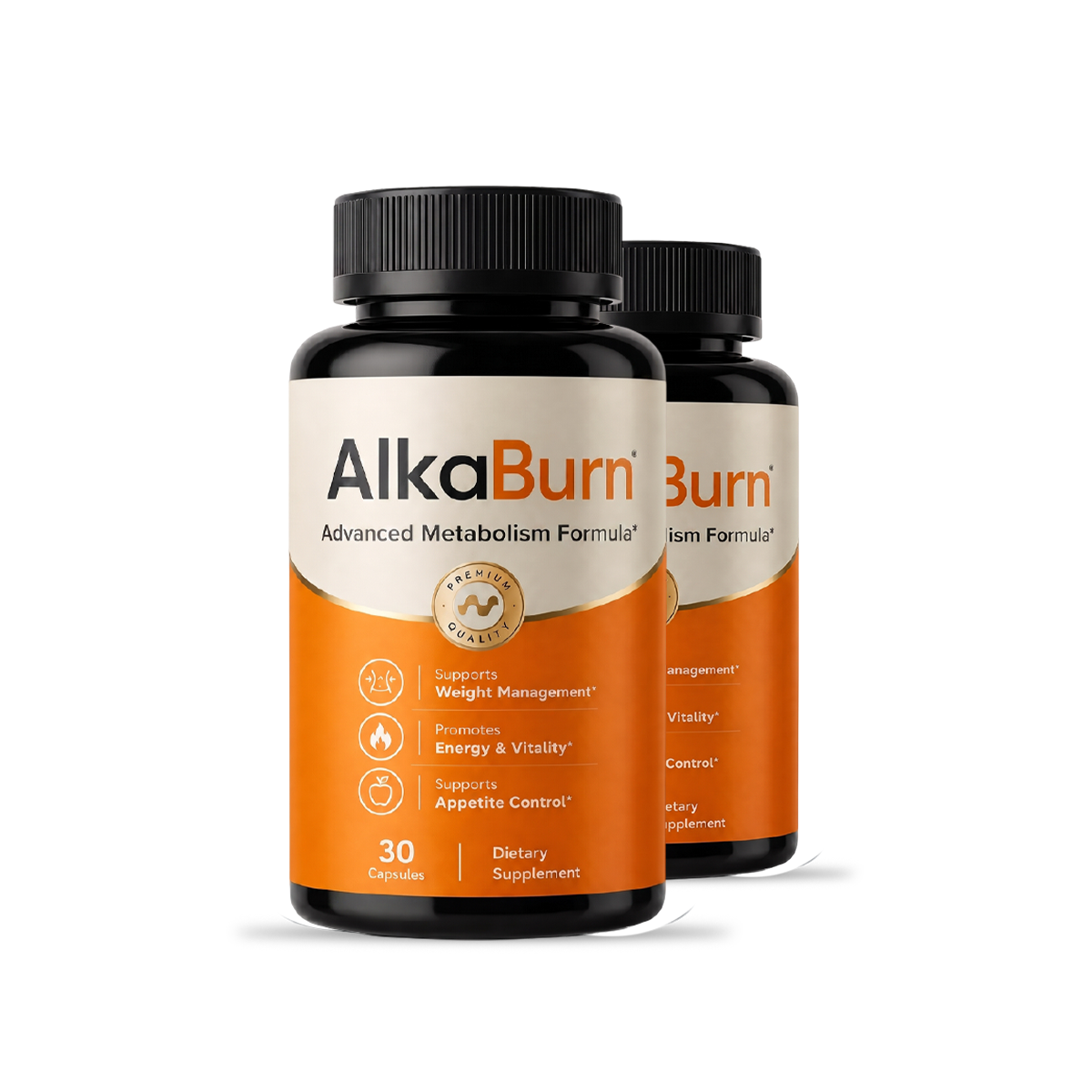
Is AlkaBurn a scam?
AlkaBurn is a legitimate dietary supplement with a fully named five-ingredient formula, a published refund policy, a named support channel and a named medical reviewer. It is not a scam in the sense of taking money without shipping product. The fair criticisms are that ingredient dosages are not published before purchase, that three of five ingredients have weak human evidence, and that the countdown timers and anchor pricing are marketing conventions.
On this page
Our conflict of interest, stated first
This site sells AlkaBurn. Everything below is written by a party with a commercial interest in you buying it.
We publish the assessment anyway, partly because a buyer who evaluates properly is a better customer than one persuaded by a timer, and partly because we would rather compete on disclosure than on hype. Apply every point below to us as rigorously as you would to anyone else.
What checks out
- The formula is fully named. All five actives listed individually rather than hidden in a proprietary blend. This alone puts it ahead of a large share of the category.
- Two ingredients have genuine support. Caffeine's thermogenic effect and the caffeine-catechin synergy are real, replicated pharmacology, not invented mechanism.
- The cautions are published. Caffeine dose stacking, blood pressure, anxiety, and the green tea and garcinia liver signals all appear on the site — the side effects page is linked from the ticker at the top of every page.
- A named medical reviewer with stated credentials and an editorial policy page describing the review process.
- A published refund policy with terms stated before purchase.
- One-time payment. No autoship, no subscription trap — which is a specific and common problem elsewhere in this category.
- We grade our own ingredients down where the evidence does not support them.
What does not, and we say so
- Ingredient doses are not published before purchase. The supplement facts panel is on the bottle. By our own checklist below, a buyer should be able to assess dose adequacy before spending money. This is a legitimate gap and it is the most common complaint we receive.
- Three of five ingredients have weak human evidence. Raspberry ketone has essentially none. Garcinia's key trial was null. Green coffee bean is associated with a retracted study and an FTC enforcement action.
- No trial of the finished formula. The evidence is ingredient-level, not product-level.
- Anchor pricing and countdown timers. Marketing conventions rather than genuine deadlines.
- Testimonials are individual experiences, not typical results.
- Before-and-after imagery is inherently unreliable in this category, which is why we do not use it.
The category red flags worth knowing
More useful than any single product assessment, because these apply everywhere:
- Undeclared pharmaceuticals. Weight-loss supplements are the category the FDA most frequently finds adulterated — commonly with sibutramine, a drug withdrawn over cardiovascular risk, and phenolphthalein, removed over cancer concerns. This is the most dangerous problem in the category.
- Claims of losing large amounts of weight without diet change. Not physiologically possible and a definitive sign of a seller to avoid.
- Before-and-after photographs. Lighting, posture, hydration and posing produce dramatic apparent differences with no change in body composition.
- Free trial that becomes a subscription. One of the most complained-about patterns in the entire supplement industry.
- Claims to target belly fat specifically. Spot reduction is not real.
- No caffeine warning on a thermogenic product. Either they do not know or they do not want you to.
- Doctor endorsements without a verifiable named individual and stated credentials.
- Claims to replace prescribed weight-management medication. The effect sizes are not comparable and the suggestion is dangerous.
How to check any seller in ninety seconds
- Can you see every ingredient with a quantity? If not, that is a mark against — including against us.
- Does it warn about caffeine, blood pressure and anxiety? If not on a thermogenic product, that is a serious mark against.
- Does it mention the green tea extract liver signal? Almost nobody does.
- Is there a named reviewer with real credentials?
- Are the refund terms published before purchase?
- Does it claim results without dietary change? If yes, stop.
- Is it a one-time purchase or a subscription?
- Does it grade its own ingredients honestly, or rate everything excellent?
Our honest verdict on ourselves
Legitimate product, real manufacturing, named formula, published safety information, functioning refund policy, no subscription trap. Not a scam.
Also: two ingredients doing most of the work, three with weak evidence, no product-level trial, undisclosed doses, and promotional conventions more aggressive than the formula warrants.
Whether it is worth your money depends on whether you are already running a deficit that you are finding hard to hold, and whether you have done the free things — sleep, post-meal walking, protein at breakfast — that outperform it.
Frequently asked questions
Has AlkaBurn been third-party tested?
Manufacturing takes place in a GMP-certified US facility. We do not publish batch certificates of analysis on the site, which is a fair thing for a buyer to ask about.
Is the 60-day guarantee real?
Yes. It runs from the date of purchase and requires a minimum of 30 days of use. Full terms are published on the refund policy page before you order.
Why do you list your own weaknesses?
Because a page claiming a product is perfect is not an assessment, and readers can tell.
Does AlkaBurn contain hidden drugs?
No. That said, the FDA has repeatedly found sibutramine and other undeclared drugs in weight-loss supplements generally, which is exactly why we recommend buying only through verifiable channels for any product in this category.
Sources & further reading
- US FDA — Tainted products marketed as dietary supplements database.
- US FDA — Sibutramine market withdrawal.
- FTC — Health products compliance guidance.
- NCCIH — Weight control and dietary supplements.